

resources
The Storage Pulse
The Auction Isn’t the Finish Line. Re-Occupancy Is.
The gavel drops, the unit "sold," and most operators call it a win. But that unit is still locked, still full of the last tenant’s things, and still earning nothing. The auction ends the delinquency. It does not end the vacancy, and the gap between the two is a cost almost no one measures.

The Third Option: Recovering Self-Storage Delinquency Without Chasing or Auctioning
For thirty years, a tenant who stopped paying left you two moves: chase them or auction them. Both lose you money, and both treat delinquency as a chore to survive instead of revenue to recover. Here is the third option, and why it changes the math.

Some Units Will Always Reach the Auction. That Doesn’t Have to Mean You Lost.
A good collections process keeps most units out of the auction, but not all of them. When a unit does reach the block, most operators run it like a loss. That reflex is expensive. Here is what it looks like to treat the auction as the recovery it can actually be.
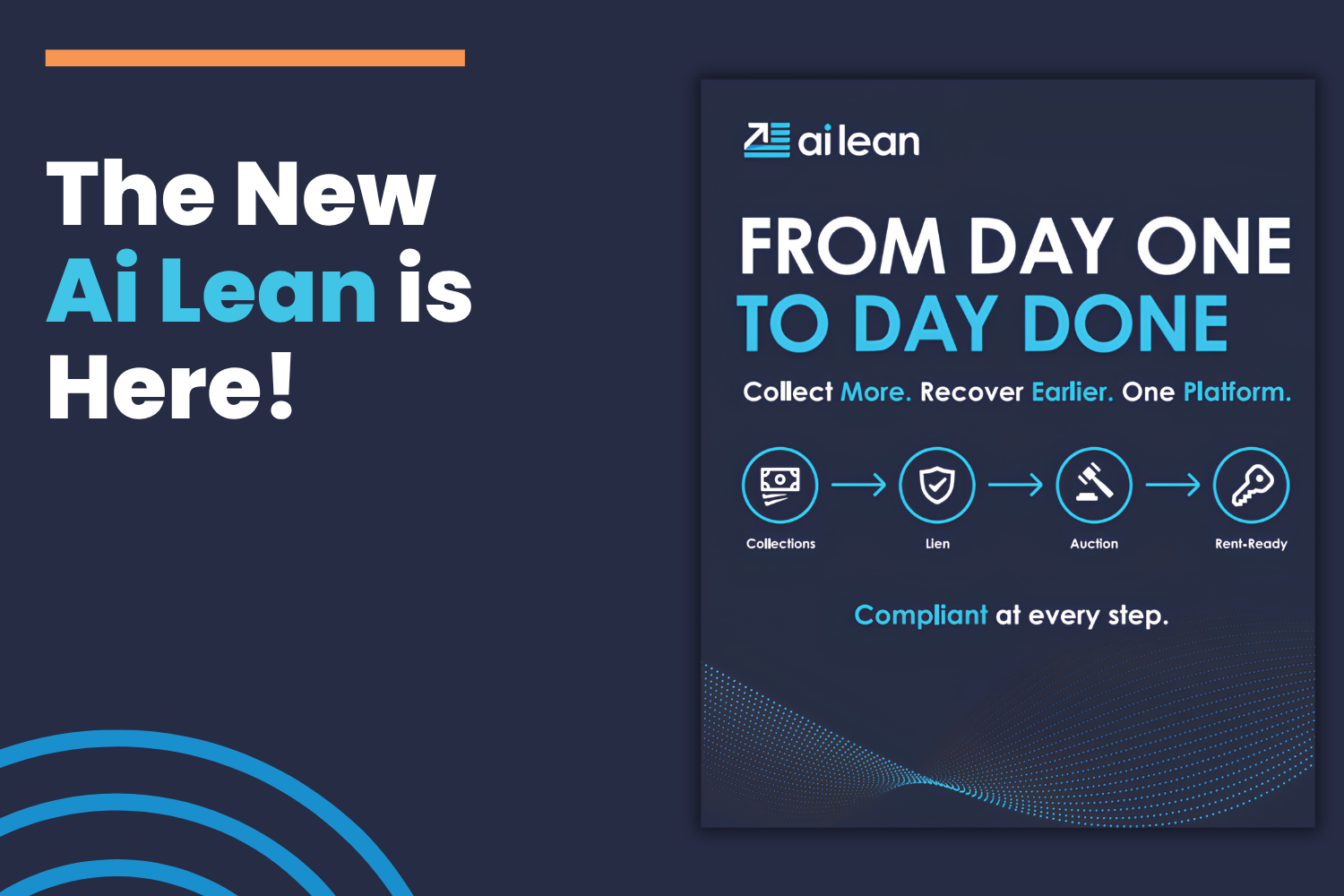
Ai Lean Launches Intelligent Recovery Platform, Helping Self-Storage Operators Recover More of What They’re Owed
The new Ai Lean is here. One intelligent platform for the entire recovery lifecycle, pairing smart technology with real human expertise to help operators recover more, carry less risk, and get their teams' time back. From day one to day done.
Reach Tenants When They Can Actually Pay
In collections, the default is volume: more notices, more calls, on a fixed schedule until something gives. But hammering someone who cannot pay today does not produce a payment, it produces avoidance. A tenant's ability to pay is not flat across the month. Reaching them when they can actually pay is quieter, kinder, and more effective than the barrage it replaces.

Collections Shouldn't Solely Fall on Your Site Managers
Your site managers are hosts and salespeople, not debt collectors. Somewhere along the way, collections got added to their job, and it is the part nobody signed up for. When delinquency rides on individual managers, your number is really a measure of your best people, and one resignation away from a problem. The fix is a system, not a pep talk.
Pay-to-Stay or Pay-to-Move? Not Every Delinquent Tenant Is Worth Keeping
When a tenant goes delinquent, the instinct is to win them back. But retention is not free, and some delinquent tenants cost more to keep than they are worth. The smarter move is to be able to determine the keepers from the movers. One you offer a pay-to-stay and the other one, you offer a clean exit. Stop spending your best efforts on accounts that will never turn around.

Who to Call, When, and What to Offer: How AI Is Changing Collections
For as long as anyone has run collections in self-storage, it has run one process for everyone: the same letters and calls, on the same schedule, for every delinquent account. AI is changing that, deciding who to call, when to reach them, and what to offer. It is the biggest shift collections has seen, and it is already here!
Auction Is the Most Expensive Way to Solve Delinquency
Most operators have two moves when a tenant stops paying: chase them or auction them. Both are expensive, and neither is built to get your money back. The operators winning on NOI have stopped treating delinquency as a chore to survive and started treating it as revenue to recover.
Delinquency Isn't the Problem. Recovery Is.
Most operators have two moves when a tenant stops paying: chase them or auction them. Both are expensive, and neither is built to get your money back. The operators winning on NOI have stopped treating delinquency as a chore to survive and started treating it as revenue to recover.

How USG Manages 100+ Client Facilities Across State Lines — Without Adding Team Members
Universal Storage Group oversees 100+ facilities across multiple states—without building a bigger team. See how they use Ai Lean to scale compliance, reclaim manager hours, and expand into new states with confidence.
Sentinel Storage Was Handling It Well. Here's Why They Brought In Ai Lean.
Most operators come to Ai Lean with a delinquency problem. Sentinel Storage didn’t! Their rate was already around 2.5%, and they’d been running the lien process in-house for years, and running it well. See why they let it go anyway, and got roughly 30% of each regional manager’s time back across 22 sites and four states.