From Pandemic Playbook to Post-Boom Reality: Why Old Systems Are Failing Operators Now
For a few extraordinary years, self-storage operated under conditions that rewarded speed above all else.
Demand surged. Units filled quickly. Revenue rose even when processes weren’t perfect. Teams solved problems in real time, and flexibility mattered more than structure.
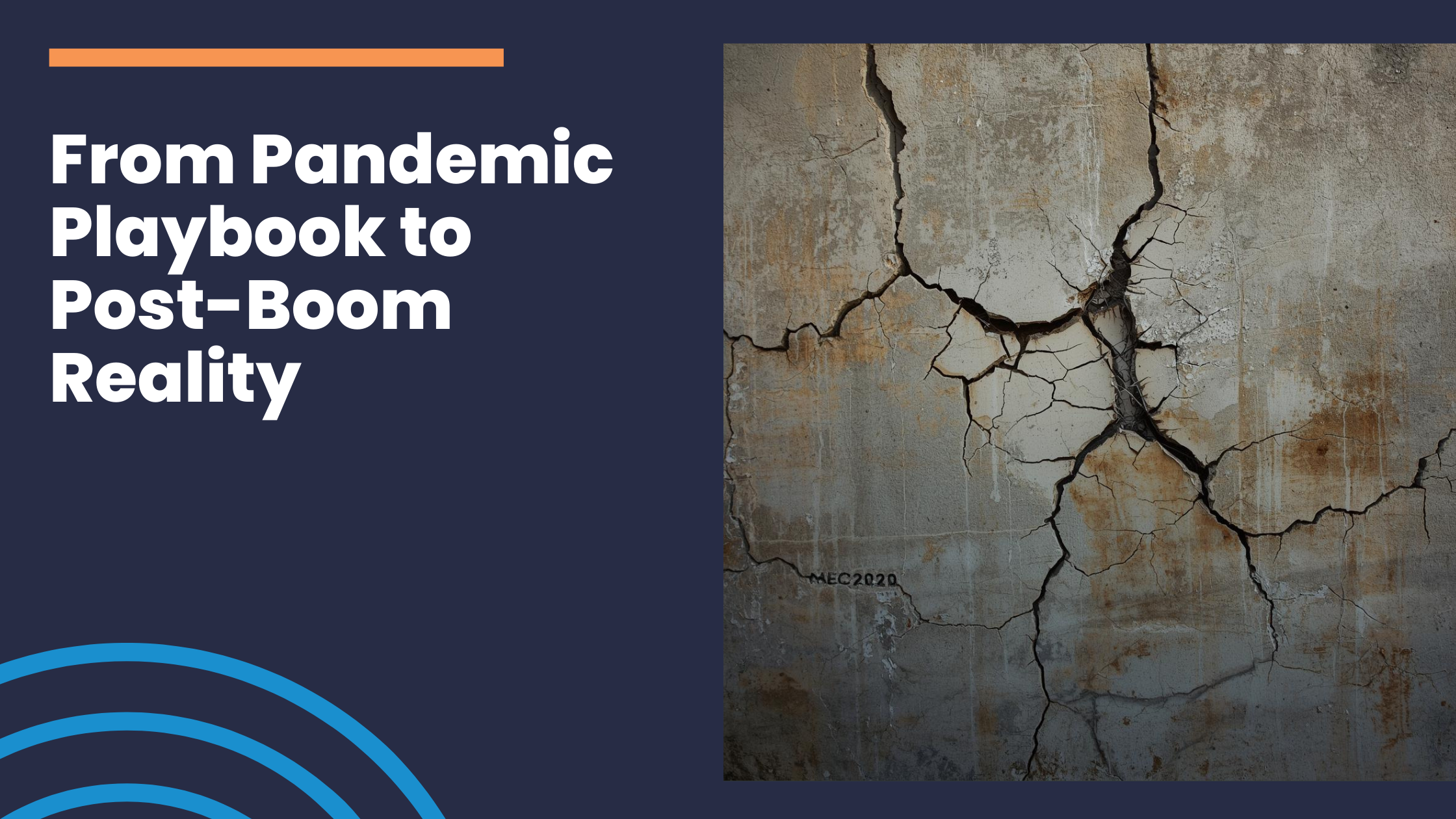
That environment covered a lot of cracks.
As the industry enters 2026, those cracks are no longer hidden.
Systems and processes that worked during the pandemic boom are now being tested under very different conditions — and many are failing quietly.
This article is part of The 2026 Operational Reality Series, examining how self-storage operators are adapting their operations to succeed in a tighter, more disciplined market.
Executive Summary
The operating systems that carried self-storage operators through the pandemic boom were designed for speed, flexibility, and high demand. In today’s post-boom environment, those same systems are struggling under tighter margins, increased scrutiny, and leaner staffing models. Operators are discovering that growth-era workarounds and manual processes no longer hold up when consistency and reliability matter most.
Why the Pandemic Playbook Worked — Then
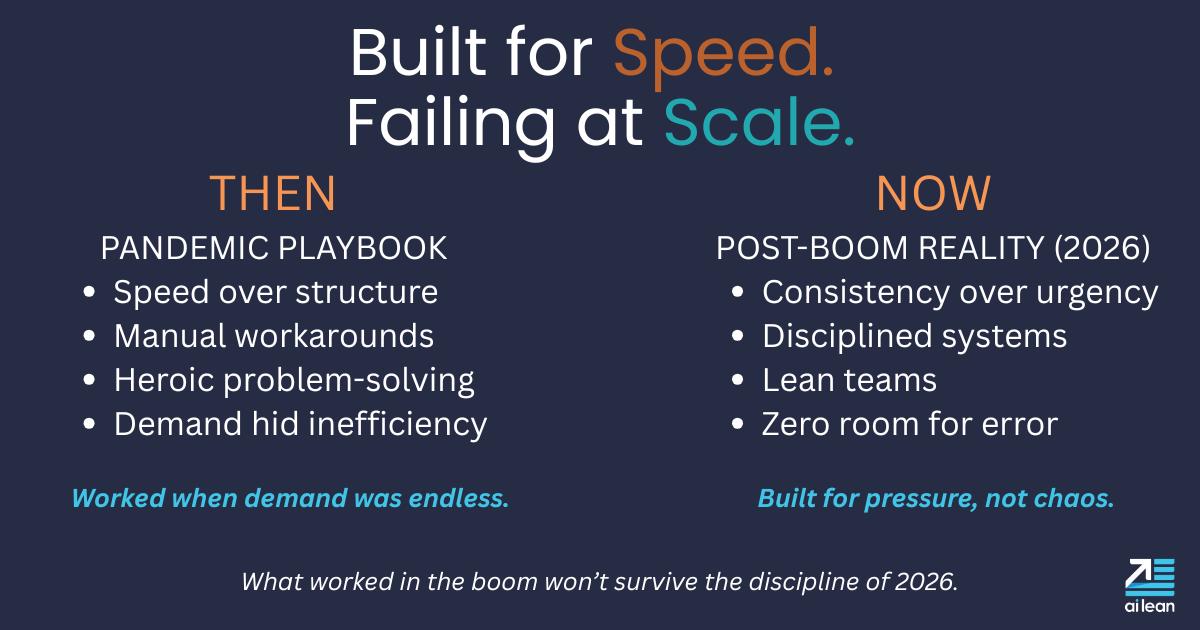
During the pandemic boom, self-storage rewarded urgency.
Operators focused on moving fast: onboarding tenants quickly, adjusting rates in real time, and keeping up with demand however they could. Manual tracking, spreadsheets, and informal workarounds were manageable because volumes were high and consequences were low.
When something slipped, teams noticed quickly. When a process broke, experienced managers stepped in. Revenue growth masked inefficiency, and the margin for error was wide.
In that environment, flexibility wasn’t a flaw… it was an advantage!
Why That Same Playbook Is Breaking Now
The post-boom environment has removed the safety net.
Today, operators face:
Softer demand + tighter margins
Leaner teams managing more locations
Increased expectations around compliance and documentation
Less tolerance for delays, errors, and rework
Under these conditions, small inefficiencies become visible. Missed timelines delay revenue recovery. Manual reconciliation consumes staff time. Fragmented systems create blind spots that leadership only sees when problems escalate.
What once felt like adaptability now feels like fragility.
The Problem Isn’t People — It’s System Design
Most operators haven’t suddenly lost competence or discipline. Their teams are still working hard.
The issue is that many systems were never designed for:
Sustained pressure without excess demand
Multi-location consistency
Lean staffing models
Higher scrutiny and lower tolerance for error
When processes rely on memory, experience, and heroics, they work… until they don’t.
And when they fail, the cost shows up as delays, risk, and leadership distraction.
This isn’t a people problem. It’s a design problem.
How Old Systems Quietly Create Risk
The most dangerous systems aren’t the ones that obviously fail. They’re the ones that mostly work.
In post-boom conditions, outdated systems tend to fail quietly through:
Inconsistent execution across locations
Late discovery of missed steps
Reactive scrambling near deadlines
Increased rework to correct preventable errors
None of these issues look dramatic in isolation. Together, they erode performance and confidence.
What Durable Systems Look Like in 2026
The operators adapting successfully aren’t trying to recreate the urgency of the boom. They’re redesigning operations for durability.
That means:
Processes that enforce consistency automatically
Clear timelines that don’t depend on memory
Fewer exceptions and cleaner handoffs
Systems that hold up on busy weeks and bad days
Durable systems reduce stress because they don’t rely on constant vigilance.
The Takeaway
The pandemic playbook helped self-storage operators survive an unprecedented moment. It was never meant to be permanent.
In 2026, success belongs to operators who accept that the environment has changed… and redesign their systems accordingly!
Control, consistency, and reliability are replacing speed as the defining traits of high-performing operations.
If your systems were built for speed, not durability, it may be time to rethink them.
We offer a short walkthrough showing how disciplined automation helps operators redesign processes for today’s post-boom reality — without adding complexity or headcount!
👉 Book a demo to see how Ai Lean supports durable, disciplined operations.
Identify Your Holes & Opportunities!

Is Your Collections & Delinquency Process Costing You?
Our new Collections & Delinquency Process Audit helps you quickly assess the strength of your current process, from early detection all the way through auction.
Frequently Asked Questions
Q: Why are pandemic-era self-storage systems failing now?
A: They were designed for speed and flexibility during high demand, not for consistency under tighter margins and scrutiny.
Q: Is this an issue with staff performance?
A: No. Most failures stem from system design, not people.
Q: What should operators focus on in 2026?
A: Durable systems that enforce consistency, reduce exceptions, and perform reliably even on bad days.
Sources / References
Self Storage Association – Industry Research
https://www.selfstorage.org/industry-research/McKinsey & Company – Operational Excellence
https://www.mckinsey.com/business-functions/operations/our-insightsHarvard Business Review – Why Complexity Is the Enemy of Execution
https://hbr.org/2017/07/why-complexity-is-the-enemy-of-execution
Operational Discipline Series
Operational Discipline Is the New Growth Strategy
From Pandemic Playbook to Post-Boom Reality: Why Old Systems Are Failing Operators Now
3 System Signals That Are Quietly Limiting Performance
Why “Doing More” Is Hurting Self-Storage Operations in 2026
When More Oversight Slows Execution
The Cost of Fragmentation: How Disconnected Systems Quietly Erode Margin
How Manual Workarounds Quietly Erode Operational Discipline
Why Operational Discipline Beats Headcount in 2026
Operational Discipline Is Becoming the New Competitive Advantage in Self-Storage (wrap up)
Continue Reading