

Ai Lean is thrilled to announce the appointment of Tammy Meehan as our new Chief Product Officer.
With a proven track record of strategic leadership and a passion for turning complex challenges into streamlined, high-impact solutions, Tammy brings a wealth of experience in driving product vision and delivering measurable business value.
Throughout her career, Tammy has been the catalyst behind transformative product strategies that align customer needs with business goals, accelerating growth and fostering innovation. She’s known for her ability to connect the dots between vision and execution, ensuring that products not only meet market demands but also create meaningful outcomes for users and stakeholders.
At Ai Lean, Tammy will lead the charge in shaping our product roadmap, optimizing delivery processes, and amplifying customer impact. Her focus on efficiency, innovation, and experience-driven solutions will be instrumental as we scale and evolve in the ever-changing AI landscape. By harnessing modern technologies, Tammy is set to elevate the customer experience, driving smarter solutions and deeper engagement.
Please join us in welcoming Tammy Meehan to the Ai Lean family!
Continue Reading

Recovery costs show up in four places on a self-storage P&L, so it never gets its own budget line. This one-page worksheet pulls write-offs, staff time, lien costs and unit downtime together, so you can bring a real number to your 2027 budget meeting.
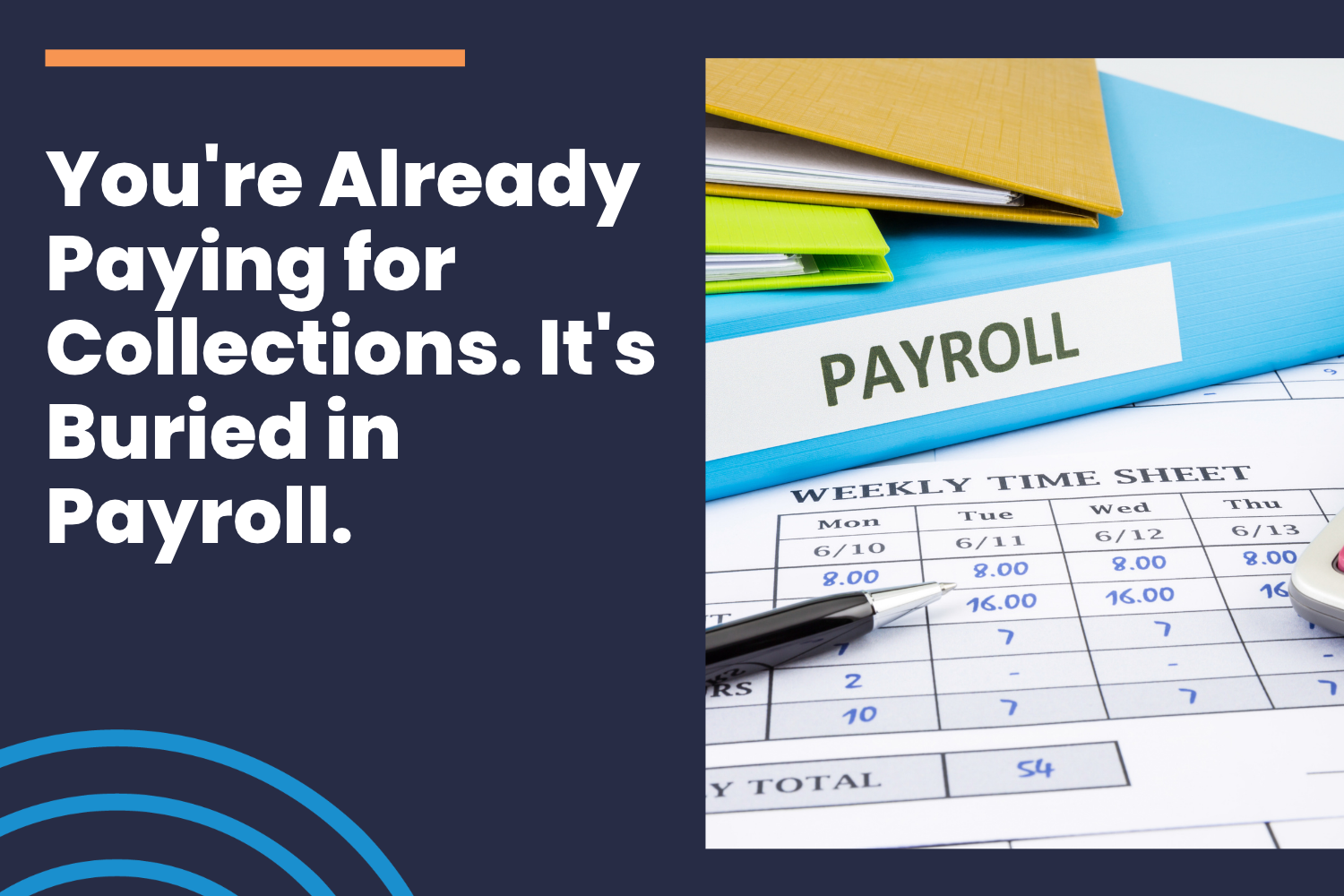
Most 2027 self-storage budgets don't have a collections line, but every operator pays for one. It's in payroll: managers chasing past-due accounts, prepping lien notices and building auction listings. Here's how to count those hours before your budget is final.

Every 2027 self-storage budget is asking where growth comes from. With street rates flat and demand soft, most answers need something new to happen. Past-due rent doesn't. It's revenue you've already earned. Here's how to find your number before the budget is final.
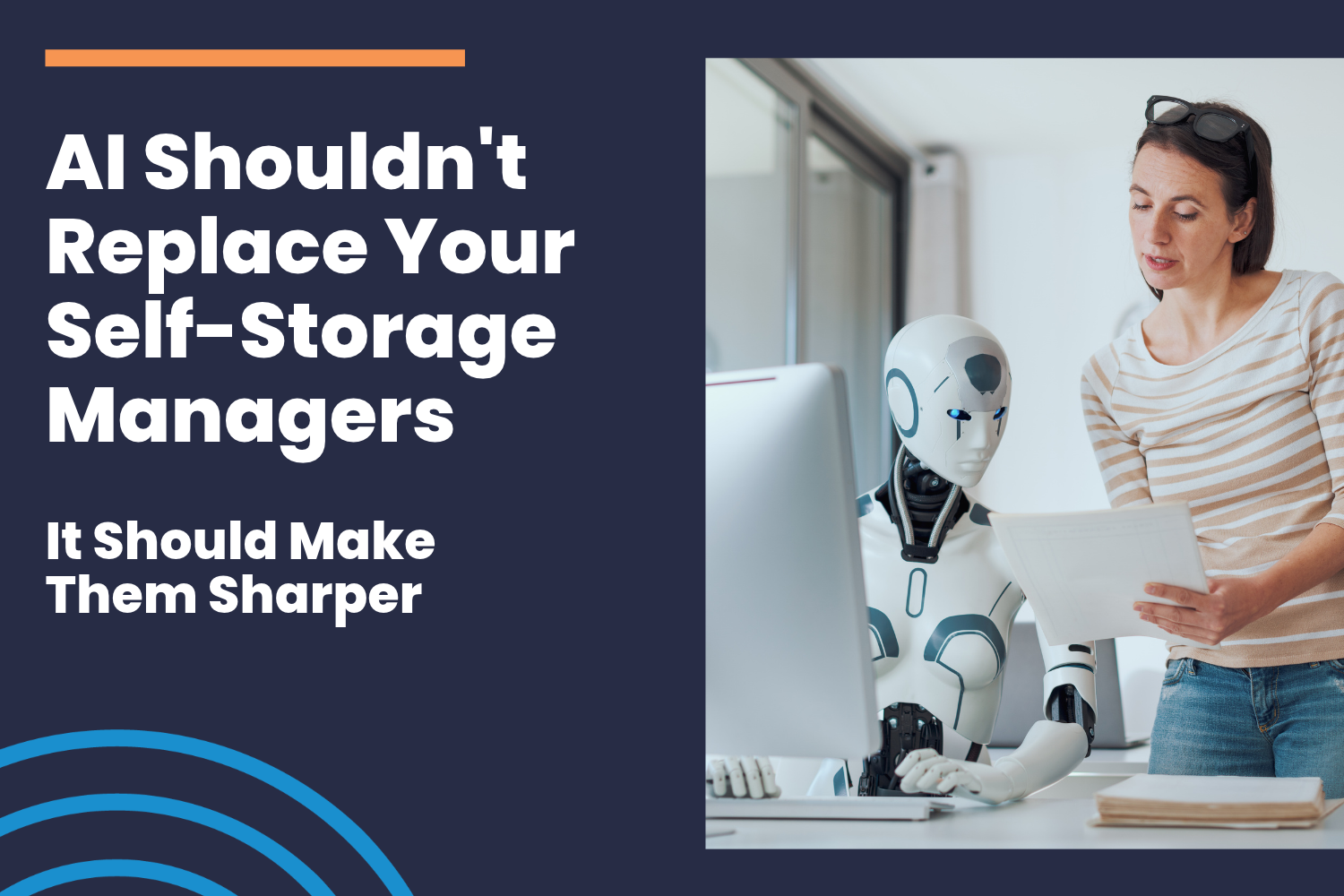
Every operator gets asked what they're doing with AI. The real question is where the line belongs: let the platform predict and recommend, let managers make the call. Here's how Ai Lean draws that line, and five questions to ask any AI vendor.
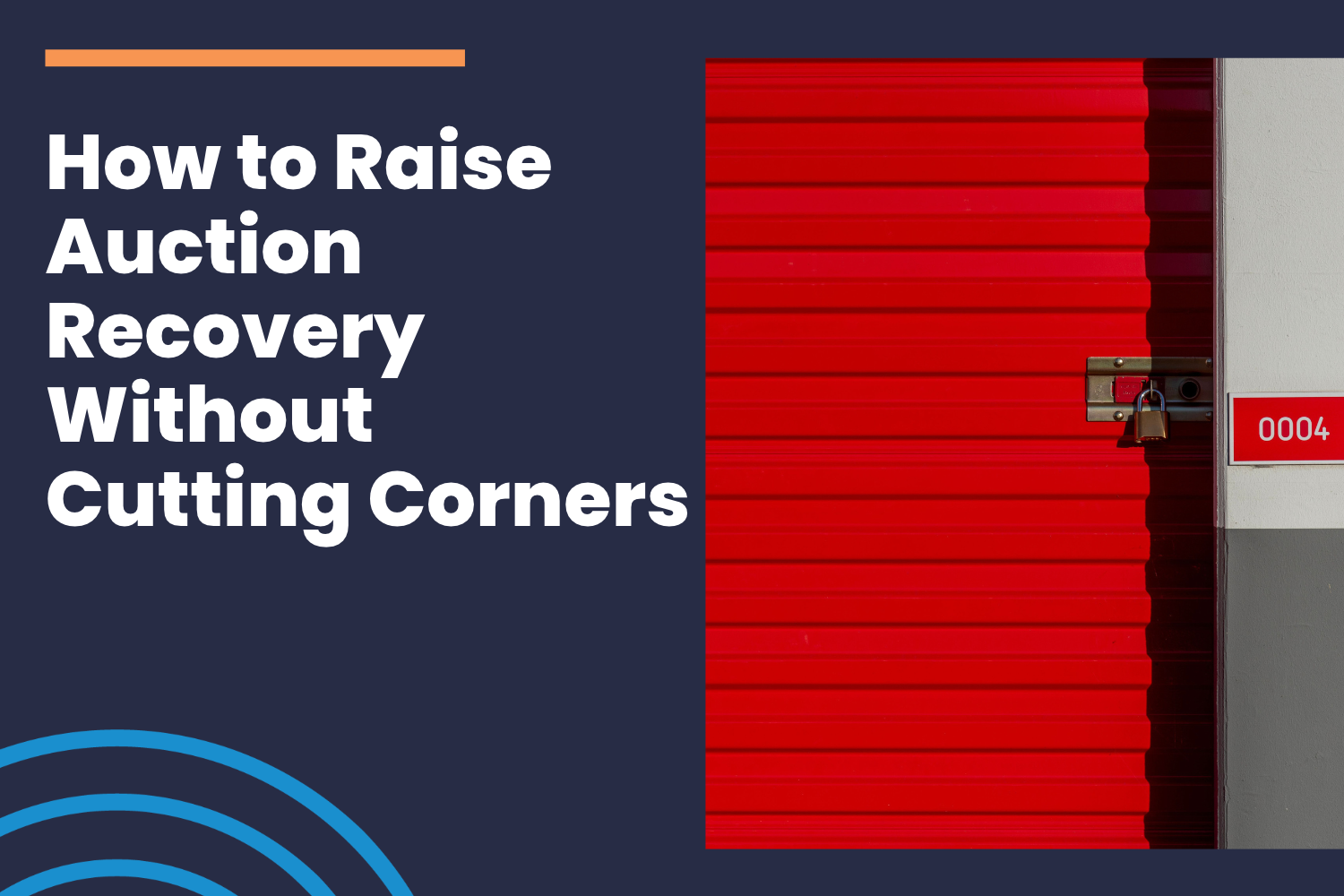
The operators who recover the most from auctions aren't squeezing the sale. They're sending fewer units to auction, giving buyers a reason to bid more and getting each unit earning again faster, without cutting a single corner on compliance.

Your district managers are stretched and the next hire feels inevitable. Before you approve it, look at where their week actually goes. For many multi-site operators, recovery work is the hidden headcount driver, and there's a better fix than another salary.

"Is this cheaper than doing it ourselves?" is the right question, but the math usually goes wrong. Lien work is spread across site managers, DMs, and one careful specialist, and the costliest part is the missed step. Here's how to count every hand.
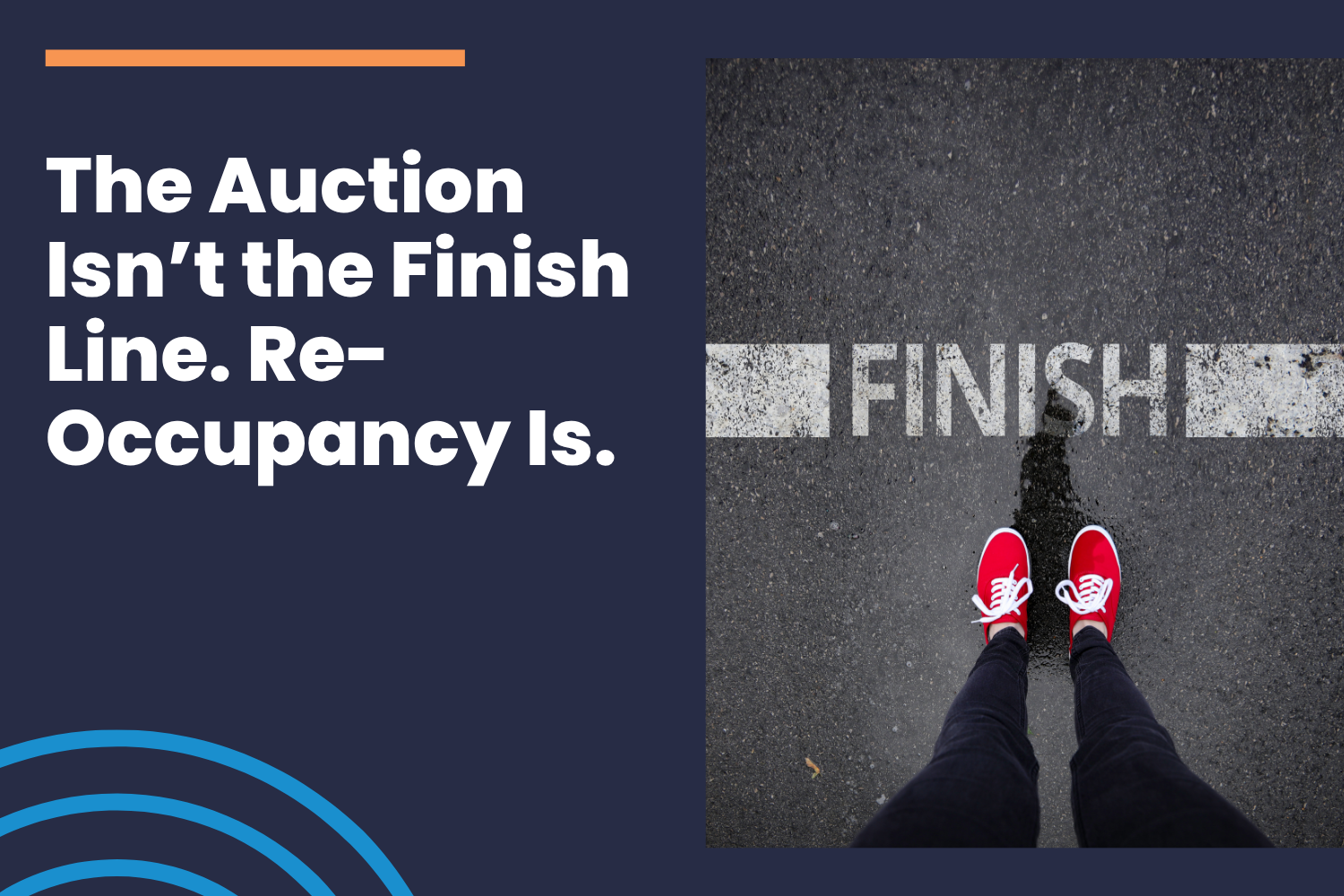
The gavel drops, the unit "sold," and most operators call it a win. But that unit is still locked, still full of the last tenant’s things, and still earning nothing. The auction ends the delinquency. It does not end the vacancy, and the gap between the two is a cost almost no one measures.

For thirty years, a tenant who stopped paying left you two moves: chase them or auction them. Both lose you money, and both treat delinquency as a chore to survive instead of revenue to recover. Here is the third option, and why it changes the math.

A good collections process keeps most units out of the auction, but not all of them. When a unit does reach the block, most operators run it like a loss. That reflex is expensive. Here is what it looks like to treat the auction as the recovery it can actually be.
